Landlord Advice
Damp and mould in rented homes: what landlords should do this winter
By Peter Lawrence · 16 November 2026
If you let a home privately, the best thing you can do about damp and mould this winter is to act on reports quickly, find the cause and keep a record of what you did. You already have a legal duty to deal with serious hazards, and Awaab's Law is on its way to private renting too.
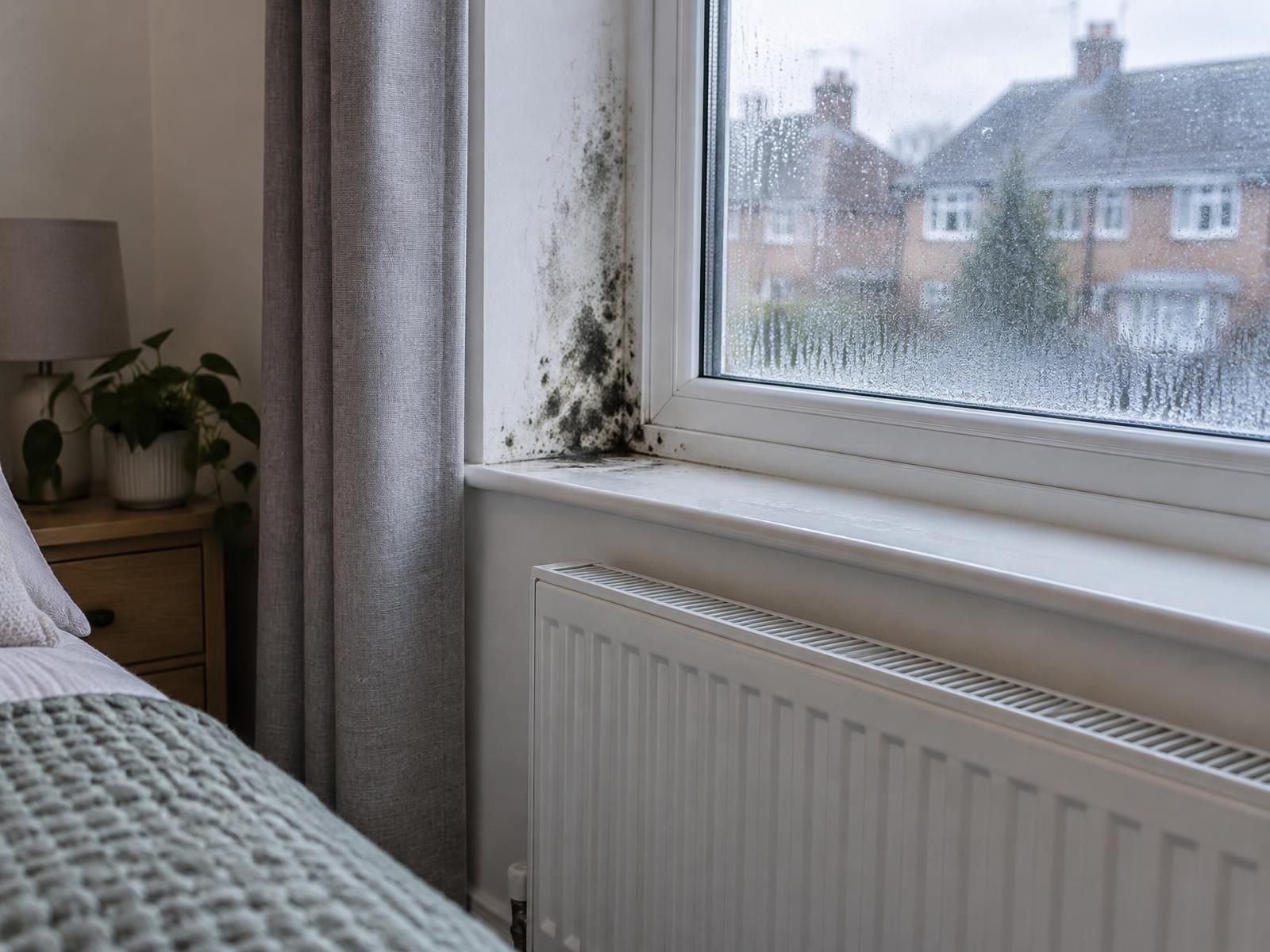
November is when it starts. The heating goes on, windows stay shut, washing dries indoors and the first black spots appear around window frames and in bedroom corners. Here's a plain guide to what's changing and what to do about it.
What is Awaab's Law?
Awaab's Law is named after Awaab Ishak, a two-year-old who died in 2020 after long exposure to damp and mould in his family's social housing flat. It sets legal deadlines for landlords to look into and fix dangerous hazards.
It has applied to social housing since 31 October 2025. In October 2026 the government opened a consultation on bringing it in for private renting. That consultation closes on 18 December 2026, and it will help decide how the rules work and when they start.
So, right now, there is no confirmed start date for private landlords. Anyone giving you a firm date is guessing.
Does that mean private landlords can wait?
No. The duty to act is already there. The government is clear that landlords must deal with hazards that seriously threaten a tenant's health and safety. The Renters' Rights Act also brought in fines of up to £7,000 where the most serious dangers are found.
Awaab's Law adds deadlines on top of that. It doesn't create the duty in the first place. The landlords who will find the change easiest are the ones already dealing with problems quickly.
Why mould shows up in winter
Most mould in homes comes from condensation. Warm, damp air from cooking, showers and drying clothes hits a cold wall or window and turns back into water. Mould grows where that water sits.
But not all damp is condensation. A leaking gutter, a failed seal around the bath or water getting in through a wall needs a repair, not a dehumidifier. If you're not sure which one you're dealing with, our guide Damp, condensation or a leak? explains how to tell them apart.
What to do when a tenant reports mould
- Reply the same day. Thank them for telling you and say when someone will look at it. A quick reply shows you're taking it seriously.
- Get it looked at quickly. Ask for photos straight away, then book a visit. Look at where the mould is, how much there is and whether there's any sign of water getting in.
- Find the cause, not just the stain. Wiping mould off or painting over it only hides it. Check gutters, downpipes, the roof, window seals, extractor fans and the seals around baths and showers.
- Fix it, then treat it. Repair the cause first. Then clean and treat the affected area, and redecorate once it's dry.
- Write it all down. Keep dates, photos, messages and invoices. If anything is ever questioned, a clear record shows what you did and when.
Small jobs that cut down mould
A lot of winter mould can be prevented with small, low-cost jobs. Before the cold really sets in, it's worth checking that:
- Kitchen and bathroom extractor fans work and actually pull air. Hold a sheet of toilet paper up to the fan. If it doesn't stick, the fan isn't doing much.
- Trickle vents on the windows are open and not painted shut.
- Gutters and downpipes are clear, so rain isn't soaking into the walls.
- Silicone seals around baths, showers and sinks are whole and not black.
- The heating works properly in every room, including the radiator valves.
- Large furniture isn't pushed hard against cold outside walls.
Working with your tenants
Tenants play a part too. Opening a window after a shower, putting lids on pans and drying washing near an open window all help. A short, friendly note at the start of winter is worth sending.
Be careful how you say it, though. Blaming "lifestyle" when there's a real fault won't fix anything, and it won't look good if a complaint goes further. Check the property first. Then give advice.
Keeping on top of it all year
The landlords who have the least trouble with damp are the ones who look at their properties regularly, not just when something goes wrong. A visual check once or twice a year picks up blocked gutters, failing seals and early mould while they're still small jobs.
For a wider view of what you need in place as a landlord, our post on landlord safety checks in 2026 covers gas, electrics and EPCs.
Common questions
Does Awaab's Law apply to my rented property yet?
Not if you're a private landlord. It applies to social housing now. The government is consulting on private renting until 18 December 2026, and no start date has been confirmed.
Is mould always the tenant's fault?
No. Everyday living adds moisture, but leaks, poor ventilation, broken fans and cold spots are often the real cause. Always check the building first.
Can I just paint over mould?
No. It will come back, usually within weeks. Find and fix the cause, clean the area properly, then redecorate.
Want a hand with it?
Propfix looks after property maintenance for landlords and homeowners across Harrow, Northwood, Ruislip, Uxbridge and Watford. Try our free landlord check to see where you stand, or book a Home Health Check. It's a visual maintenance check, not a survey, and it's a good way to spot damp, leaks and wear early. Prices are fixed, include VAT and are paid securely when you book.
Want it sorted?
Book online at a fixed price including VAT, or call us on 01895 444 999.